
Introduction
NASA is advancing the development of lunar rovers and mobility technologies as part of its plans to establish a sustained human presence on the Moon. On October 20, 2026, NASA released an update highlighting progress on lunar terrain vehicles and robotic rovers designed to support future Moon Base operations.
These vehicles will play an important role in astronaut transportation, scientific exploration, terrain mapping, and resource identification. Developing reliable mobility systems for the Moon presents unique engineering challenges, including extreme temperatures, difficult terrain, reduced gravity, and limited opportunities for maintenance. NASA’s developments demonstrate how advanced vehicle design and testing are shaping the future of lunar exploration.
NASA’s Progress in Lunar Rover Development
NASA is working with commercial partners to develop lunar terrain vehicles (LTVs) capable of supporting both crewed and remotely operated missions. The agency is advancing vehicle development with Astrolab and Lunar Outpost to prepare for future exploration near the lunar South Pole.
Before astronauts begin using these vehicles, NASA plans to operate them remotely to gather information about terrain conditions, lighting, navigation, and vehicle performance. These early activities could help scientists prepare exploration routes and evaluate operating conditions for future missions.
Once deployed for astronaut use, lunar terrain vehicles are expected to extend the distances crews can explore and support the transportation of scientific instruments, tools, and lunar samples.
Advanced Rover Designs from Astrolab and Lunar Outpost
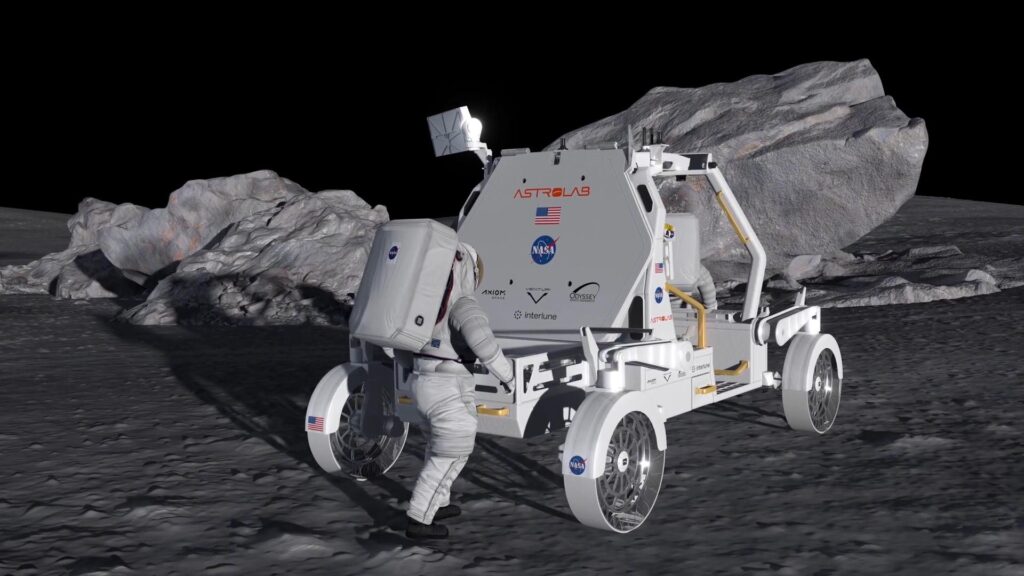
NASA’s lunar mobility initiative includes two commercial rover designs: Astrolab’s Crewed Lunar Vehicle 1 (CLV-1) and Lunar Outpost’s Pegasus. Both are being developed to support future exploration activities while addressing the unique challenges of operating on the lunar surface.
Astrolab’s CLV-1 builds on the company’s FLEX rover architecture, with engineering efforts focused on vehicle mobility, crew accessibility, and operational functionality. NASA is evaluating features that could help astronauts operate the vehicle while wearing bulky lunar spacesuits.
Lunar Outpost’s Pegasus similarly emphasizes mobility, usability, and reliable operation in demanding lunar conditions. Astronaut evaluations and engineering assessments are helping inform the vehicle’s design, including accessibility and human-machine interaction.
These developments highlight the importance of mechanical engineering, ergonomic design, and system integration when creating vehicles for challenging extraterrestrial environments.
Engineering Lunar Wheels for Extreme Terrain
One of the most important engineering challenges in lunar rover development is designing wheels capable of operating reliably on the Moon’s demanding surface. Unlike conventional road vehicles, lunar rovers must navigate loose regolith, rocky terrain, uneven surfaces, and steep slopes under reduced gravity. These conditions require specialized wheel designs that provide traction, durability, and effective load distribution.
NASA and its commercial partners are investigating flexible, airless wheel technologies as alternatives to conventional pneumatic tires. Astrolab is preparing to evaluate its flexible wheel design at NASA’s Glenn Research Center in Cleveland, Ohio, while Lunar Outpost is advancing testing of spring-mesh tires to study traction and wheel-soil interactions.
Engineers evaluate several performance factors, including wheel deformation, contact pressure, traction, slip, and resistance to wear. Testing on simulated lunar terrain helps researchers understand how wheel designs respond to different loading conditions and surface characteristics.
These developments highlight the importance of materials engineering, mechanical design, and experimental validation in developing reliable mobility systems. The engineering principles involved are also relevant to terrestrial applications such as off-road vehicles, specialized tires, and mobility systems operating in challenging environments.
Robotic Exploration and Preparing for the Moon Base
Alongside crew-capable lunar terrain vehicles, NASA is advancing robotic exploration systems to better understand the Moon’s environment and prepare for future human missions. These robotic vehicles are designed to investigate challenging terrain, collect scientific measurements, and identify areas suitable for exploration and potential infrastructure development.
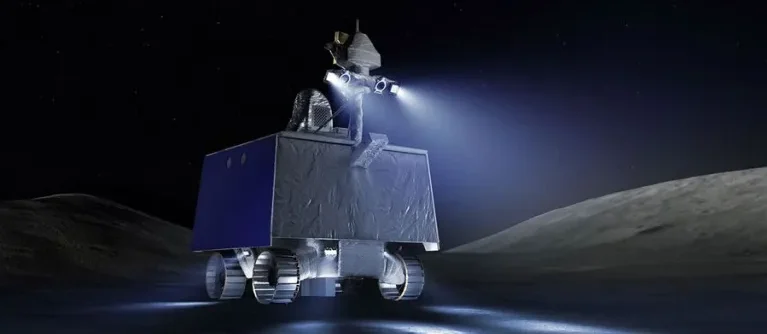
NASA’s Volatiles Investigating Polar Exploration Rover (VIPER) is intended to explore the lunar South Pole, where scientists believe water ice may exist in permanently shadowed regions. By studying the distribution and characteristics of lunar resources, VIPER could provide valuable information for planning future exploration activities.
Robotic missions also help engineers evaluate navigation systems, terrain accessibility, environmental conditions, and the performance of equipment operating on the lunar surface. The information collected can support decisions about future rover routes, scientific investigations, and mission planning.
Together, robotic explorers and crew-capable lunar vehicles represent complementary approaches to lunar mobility. Their continued development highlights the importance of autonomous operation, reliable mechanical systems, advanced sensing technologies, and engineering validation in preparing for sustained lunar exploration.
Conclusion
NASA’s 2026 lunar rover developments demonstrate how mechanical engineering, advanced materials, and rigorous testing contribute to the future of space exploration. From flexible, airless wheels to crew-capable vehicles and robotic explorers, these technologies are being developed to address the demanding conditions of the lunar environment.
The progress also highlights engineering challenges that extend beyond space exploration, including vehicle mobility, terrain interaction, structural durability, and system reliability. As NASA and its commercial partners continue developing lunar transportation systems, innovation in vehicle design, simulation, and performance testing will remain essential to supporting future missions.
References
Original NASA publication: NASA Provides Progress Update on Moon Base Rovers — October 20, 2026
Additional NASA reference: NASA Provides Update on Moon Base Rovers, Landers, Missions — May 26, 2026